Close protection
Close protection: preparing a movement
Route reconnaissance, vulnerability points and the role of each team member. The method learned in head-of-state protection details.
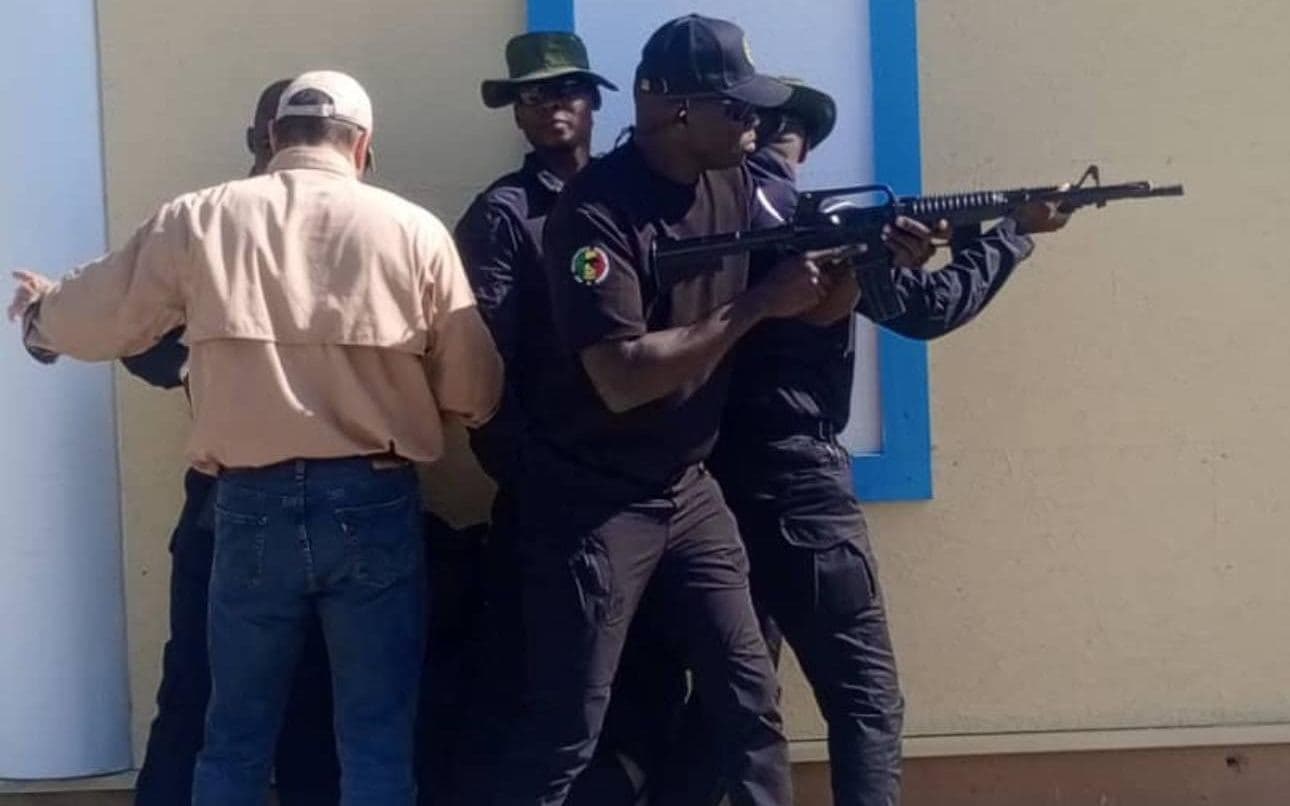
In close protection, most of the work is done before the principal gets into the car. A well-prepared movement goes by without anyone noticing the protection team. An improvised movement is always noticed, sometimes too late.
Reconnaissance, the day before
Every venue on the programme is visited the day before by a team member. They note access points, emergency exits, waiting areas, parking spots, phone coverage and the nearest medical facilities. They identify where the principal will be exposed: pavement, lobby, staircase, crowd.
Reconnaissance also covers the route. We look for bottlenecks, roadworks, markets, rush hours. And we prepare at least one alternative route, reconnoitred as well.
Vulnerability points
Three moments concentrate most of the risk:
- Embarking and disembarking. The walk between building and vehicle is short but exposed. The vehicle is positioned in advance, door facing the exit, engine running.
- Unplanned stops. A traffic light, a jam, a breakdown. The team knows in advance where it can break away.
- Crowds. In a hall, a market, a ceremony, the team adapts its formation to keep permanent physical or visual contact with the principal.
Everyone's role
A protection team is not a group of men around a person. Each member has a function:
- The team leader decides, communicates with the principal and the outside, and gives movement orders.
- The close protection officer stays nearest the principal. They are the last barrier and the first to react.
- The formation agents cover the angles according to the chosen formation, diamond, V or line, depending on terrain and crowd.
- The driver never leaves the vehicle. They are responsible for the route and for extraction if something goes wrong.
- The advance agent precedes the team at every venue and confirms that the conditions seen the day before have not changed.
The briefing
Before departure, the team leader gathers the team for five minutes. Programme, routes, sensitive points, formation, agreed signals, conduct in case of attack. Everyone repeats their role. Without a briefing there is no team, only individuals.
During the movement
The team communicates little and quietly. It watches hands, eyes, unusual movements. It does not get distracted by the programme itself: what happens on stage is not its concern, what happens around the stage is entirely its concern.
In case of attack, the absolute priority is extracting the principal to the vehicle or to a reconnoitred safe area. The team does not seek confrontation; it seeks the exit.
After the movement
The team leader writes a debrief: actual timings, incidents, deviations from the plan, points to improve. That debrief feeds the reconnaissance for the next movement. That is how a team improves, assignment after assignment.
These methods are at the heart of FIIT Academy's Bodyguard and close protection track.